
Timeless Interiors Inspired by Distant Lands
The Subtle Influence of Distant Worlds on Interior Spaces
In recent years, interior design has evolved beyond local inspirations and fleeting trends. Today, the most captivating interiors borrow codes, materials, and symbols from cultures around the globe. Far from being a superficial fusion, this approach reflects a deeper desire to create a space that tells a story — one that evokes exploration, memory, and emotion. A carved table from India, a silk cushion inspired by Imperial China, or an African mask passed down through generations — each element becomes part of a coherent aesthetic.
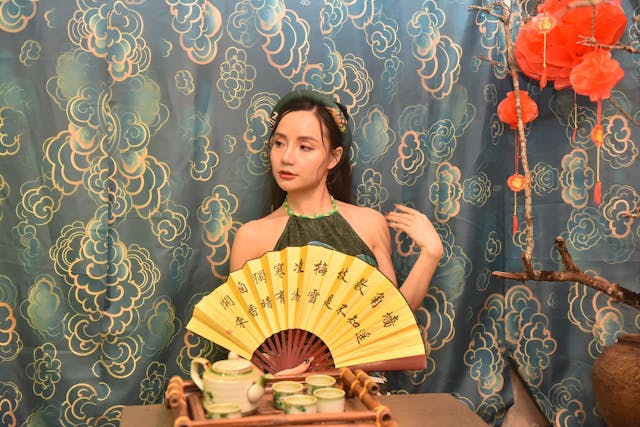
The idea of blending diverse cultural references into a single harmonious decor is not new. It echoes the colonial-era salons, where explorers proudly displayed objects from their travels — from globes and navigational tools to rare woods and textiles. Today, this practice is more intentional, respectful, and refined. It’s not about accumulation but about meaning and coherence. Designers choose pieces that resonate, that echo materials or craftsmanship from afar, while maintaining a strong aesthetic identity.
When Craft Becomes Narrative
One of the most profound ways to integrate exotic inspirations into home decor is through craftsmanship. A hand-inlaid bone chest from Rajasthan, or a bronze lamp forged using ancestral techniques in Morocco, brings much more than functionality — it introduces a story. These objects are often the fruit of centuries-old know-how, infused with symbolism and tradition. Incorporating such pieces is a conscious act of valuing art, history, and cultural dialogue.
In this context, furniture is never chosen randomly. Some collections draw from travel diaries and maritime traditions, blending noble materials like teak, brass, or leather, all assembled with artisanal precision. These elements speak to a quiet luxury — not one of ostentation, but of refinement. Those seeking this timeless aesthetic often find inspiration through specialized collections like those from www.starbay.com, which curate pieces echoing a spirit of distant lands and elegance.
Material Poetry: Wood, Metal, and Texture
The material choices play a central role in creating interiors inspired by travel and heritage. Solid wood, particularly exotic species like mahogany or rosewood, brings both visual warmth and historical depth. These woods carry with them a density, a grain, a smell that no laminate can imitate. Polished brass, aged bronze, patinated leather — these materials age gracefully, acquiring a patina that enhances their character and reinforces their timeless charm.
When used in furniture such as desks, trunks, or cabinets, these materials elevate both functionality and emotional resonance. It’s not uncommon to find pieces that combine traditional joinery, secret compartments, or custom finishes — all of which give the object a presence far beyond its utility. The aim is to build a cohesive ensemble where every detail contributes to a unique, immersive atmosphere.
Lighting and Ambiance: Setting the Mood
Lighting plays a crucial role in enhancing interiors influenced by world cultures. It’s not just about brightness, but about shadows, reflections, and warmth. Lanterns with perforated metal motifs, suspended glass globes reminiscent of Turkish lamps, or shaded floor lights with bamboo or silk — each choice affects the ambiance. The goal is to create an environment that feels intimate, refined, and timeless.
In a living room, a low, extendable table made of dark wood can anchor the space, while nearby a carved chest doubles as storage and conversation piece. Rich draperies with embroidered motifs, handmade rugs, and tactile cushions contribute to a layering that’s both visual and sensory. Scents — from cedar wood candles to patchouli diffusers — complete the experience.
Art and Decoration: Symbols from Afar
Beyond furniture, decoration adds soul to a room. Authentic pieces like a hand-woven Berber tapestry, a Chinese folding screen, or a Japanese ink painting bring dimension to otherwise neutral walls. These are not just embellishments; they are focal points that spark curiosity and reflection. Incorporating such works requires balance — letting them breathe, choosing the right lighting, and avoiding overloading.
Bookshelves lined with travel journals, antique maps, and miniature globes reinforce the theme without being overbearing. The idea is to evoke a journey — not a postcard — and to offer guests a space that feels cultivated, welcoming, and unique. For those who collect artifacts during real travels, displaying them with intention gives them new life and context.
Colors That Evoke Worlds
Colors are key in suggesting distant inspirations. Deep indigo, reminiscent of Moroccan tiles or Japanese denim; ochre tones found in African deserts; jade greens evoking Southeast Asian jungles — these hues stimulate the imagination. They can be used on walls, in accents, or layered through accessories. Combined with natural materials, they create a grounded yet ethereal effect.
Neutrals — sand, off-white, warm grey — serve as a backdrop, allowing more intense colors to shine through. The result is never gaudy or folkloric. Instead, it feels deliberate, calm, and enriched by heritage. This approach suits both urban apartments and countryside retreats, offering an escape without leaving home.
Functionality with Character
While aesthetics drive many design choices, functionality remains essential. The best interiors balance beauty with purpose. For instance, a pedestal desk made of solid wood not only adds elegance to a home office but also offers durability and storage. A folding bar cabinet may hide an intricate interior inspired by nautical design, perfect for entertaining guests. These pieces blur the line between art and utility.
What distinguishes timeless interiors is the refusal of compromise. Even utilitarian furniture respects craftsmanship and aesthetic coherence. Details matter: dovetail joints, aged metal handles, hand-stitched leather — they speak to a desire for permanence in an age of the disposable.
The Spirit of the Traveller
Ultimately, designing with global inspiration is less about recreating a place than evoking a feeling — of movement, openness, and appreciation for the world’s diversity. Whether it’s a discreet nod through texture or a bolder statement via a standout piece, each choice contributes to an atmosphere of refinement and meaning. A well-composed space transcends geography; it reflects curiosity, respect, and intention.
In this pursuit, the home becomes a place of serenity and richness, far from sterile trends. It welcomes, it envelops, and it invites stories — not just of where we’ve been, but of who we are.