
How to Effectively Use Focus Groups for Usability Feedback
Focus groups offer invaluable insights when it comes to gathering usability feedback for a system. Unlike other methods, they provide a platform for dynamic interaction and discussion, which can lead to the surfacing of unique insights that might not emerge in one-on-one interviews. For instance, participants can build on each other’s comments, leading to discussions that unearth deeper insights about user experience challenges, such as navigation issues or feature usability.
When organizing a focus group, the composition of the group is critical. Ideally, you want a diverse pool of participants who represent your target audience. This ensures the feedback is comprehensive and applicable. Aim for a group size that encourages engagement but avoids chaos—usually between 6 to 10 participants is optimal. Having too few might not capture diverse viewpoints, while too many could lead to a lack of individual contribution.
Choix des participants
The recruitment process must be meticulous. Screen participants to ensure they fit the profile of your typical user. This might involve online surveys or preliminary interviews. Participants with varying levels of expertise regarding your system can provide a breadth of perspectives. However, be wary of including people with too much specialized knowledge, as it could skew the discussions. It’s advisable to mix novice and experienced users to balance the discussion.
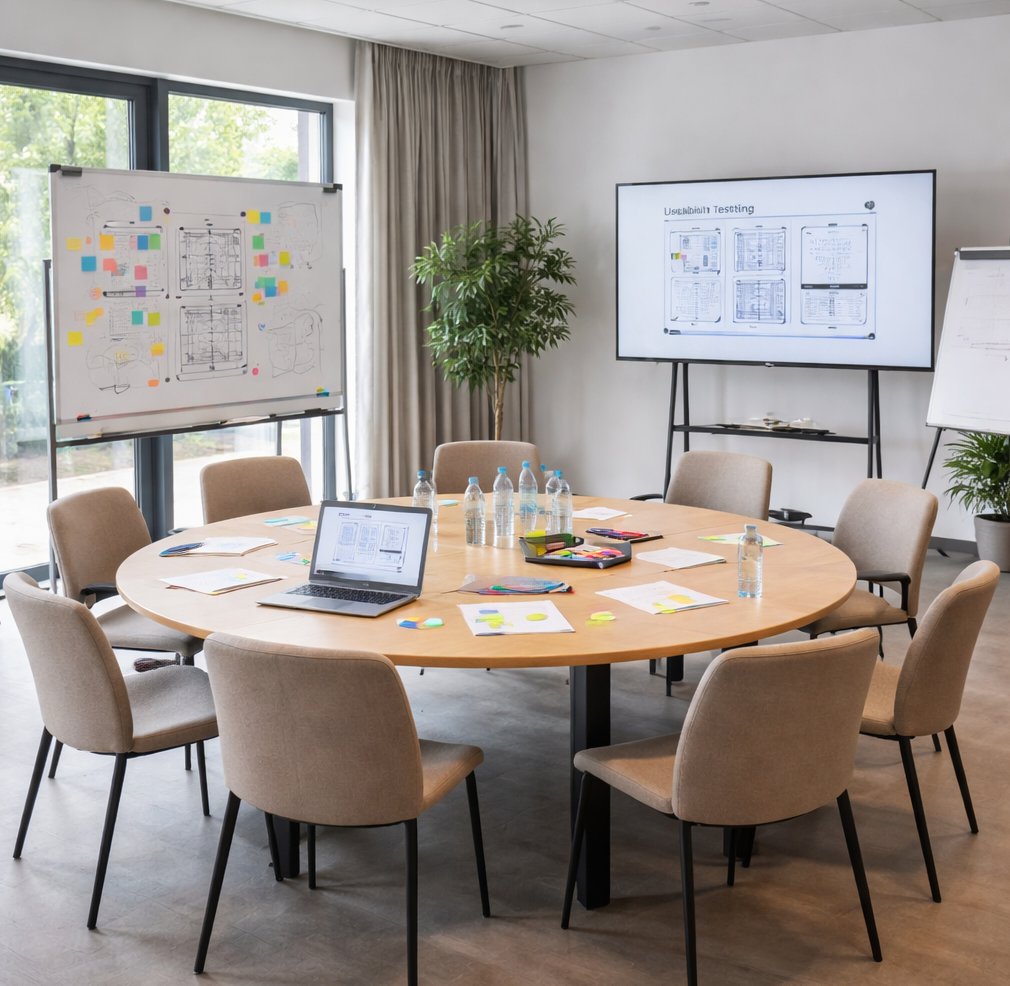 It’s also essential to consider the timing and setting of the focus group. Conduct the session in a neutral, comfortable environment to facilitate open dialogue. Scheduling the session at a convenient time for participants can improve attendance and engagement.
Facilitation et modération
The success of a focus group lies in the hands of the moderator. This individual should be skilled in steering discussions without leading participants. They must balance giving participants the freedom to express their thoughts while keeping the discussion on track. The goal is to create a space where participants feel comfortable sharing candid feedback. It’s important for the moderator to be neutral and patient, allowing silences to give participants time to think and express authentic responses.
Crafting the right questions is equally important. Open-ended questions are key to eliciting detailed responses. For example, questions like, “Can you describe a situation where the system did not meet your expectations ?” can yield insightful feedback. This approach encourages participants to express their opinions more freely and explore topics more in-depth.
Analyse des données
Once the focus group concludes, the real work begins—analyzing the data. Transcribe the discussions and code the data to identify patterns or recurring themes. It’s not just about what people say, but how they say it, that can reveal deep insights into their perceptions and attitudes. Attention to non-verbal cues observed during the session, like tone of voice or body language, can also enrich the analysis.
Look for trends in the feedback. For instance, if multiple participants express confusion over the same feature, it’s a signal that warrants further investigation. Conversely, if a feature is universally praised, it might be a model for future designs. Use these insights to draft a report that clearly outlines key findings and actionable recommendations.
Utilisation des résultats
The insights gained from focus groups can directly influence the design and functionality of a system. They offer a user-centered perspective that can prioritize development efforts on the most critical aspects needing improvement. This iterative feedback loop ensures that systems evolve in alignment with user needs and expectations. Frequent iterations based on this feedback can significantly enhance user satisfaction over time.
Document and share the findings with your development team and other stakeholders. The rich, qualitative feedback from focus groups is incredibly valuable and can drive strategic decisions. It can guide not only redesign elements but also inform marketing strategies and user support systems. Consider organizing follow-up sessions to assess the impact of changes and further refine the system.
Focus groups, when executed effectively, bring qualitative depth to usability inquiries. They unveil the human element so essential to crafting systems that truly resonate with users. By incorporating their feedback into design processes, companies can develop systems that are intuitive, efficient, and aligned with user expectations, ensuring better adoption and satisfaction. Establishing a routine schedule for focus groups can help maintain a continuous improvement process.